
Salt reduction in fermented condiments is more complicated than simply removing part of the sodium. Salt influences taste perception, fermentation conditions, ingredient interactions, and the way savory notes develop on the palate. A successful lower-sodium formulation must preserve enough flavor complexity to remain useful in cooking while responding to changing nutritional preferences.
JOLION Foods operates in this category through customized condiment production, while the broader science of sodium reduction offers useful insight into how fermented seasonings can be reformulated without relying on excessive saltiness.
Sodium and Flavor Perception
Salt contributes strongly to the first impression of soy-based seasonings, but it is only one component of the overall flavor profile. Umami compounds produced during fermentation can create depth that remains noticeable even when sodium concentration is reduced. Sweetness, acidity, aroma, and bitterness also influence how people interpret saltiness.
Taste perception is highly contextual. The same sodium level may seem stronger in a concentrated dipping sauce than in a dish where the seasoning is dispersed among vegetables, meat, noodles, or broth. Temperature and serving size introduce further differences, making direct sensory comparisons more complicated than laboratory measurements alone suggest.
Food developers often examine sodium together with amino acids and other taste-active compounds. This broader approach helps explain why two sauces with similar nutritional labels can produce noticeably different culinary experiences. A soy sauce manufacturer working on reduced-sodium formulations therefore needs to consider sensory balance rather than treating sodium as an isolated specification.
Fermentation and Salt Management
Salt plays a functional role during fermentation in addition to providing taste. It affects the microbial environment and helps shape which biochemical reactions can occur during the brewing process. Lowering salt levels can consequently change fermentation behavior, which makes process control especially important.
Protein-rich soybeans undergo enzymatic transformation during fermentation, producing peptides and amino acids associated with savory character. Wheat, microbial cultures, temperature, and fermentation duration can influence these reactions as well. The final flavor is the result of these variables interacting over time rather than one ingredient acting independently.
Traditional fermentation methods can still be adapted to different nutritional targets. The technical challenge lies in preserving desirable aroma and mouthfeel while adjusting the sodium concentration. Such formulation work requires careful monitoring because a change made for nutritional reasons may also alter taste intensity or fermentation dynamics.
Ingredient Balance in Lower-Sodium Formulas
Non-sodium ingredients can influence perceived flavor without simply replacing salt gram for gram. Natural sweetness, fermented aromas, roasted notes, acidity, and umami compounds may all contribute to a fuller sensory impression. The objective is not to make the seasoning taste identical through one substitute, but to construct a balanced flavor system.
Raw-material selection also has significance. Soybean composition varies according to variety, growing conditions, maturity, and storage, while wheat can contribute both fermentable components and aromatic characteristics. Consistent sourcing gives manufacturers greater control over the variables that influence the final seasoning.
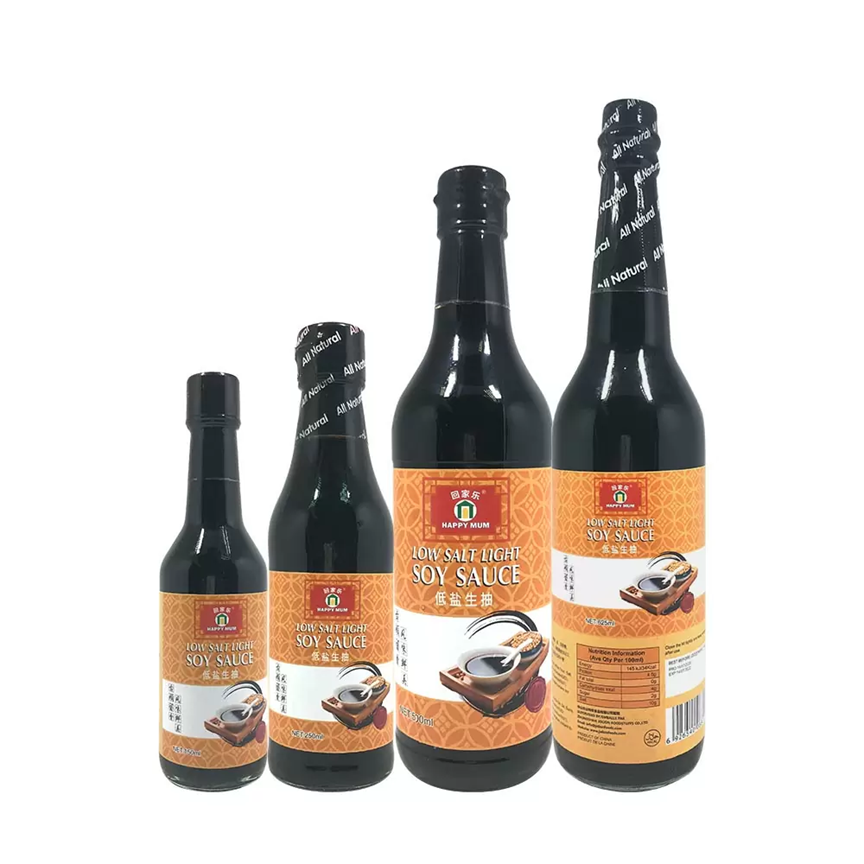
The supplied formulation describes a naturally brewed low-salt soy sauce made with selected non-GMO soybeans and high-quality wheat, containing 21% less salt than conventional soy sauce. It is described as having a rich soy aroma without artificial additives and is positioned for consumers seeking a lighter taste. The product is also offered through JOLION Foods for bulk supply and OEM customization.
Measuring Nutritional and Culinary Performance
Nutritional evaluation begins with laboratory measurements such as sodium content per 100 ml, but numbers alone do not reveal how a seasoning performs in food. Application trials can show whether the reduced-sodium formulation remains noticeable after dilution, heating, marination, or combination with other ingredients.
Sensory panels may assess saltiness, umami, aroma strength, aftertaste, and overall flavor balance. These observations can be paired with instrumental analysis to identify why a particular formulation succeeds or falls short in a specific application. Such evidence is especially useful when a product is intended for food factories or large-scale recipe development.
Packaging and serving instructions matter as well. Portion control can influence total sodium consumption, while dispensing characteristics affect how much seasoning reaches the food during normal use. A soy sauce manufacturer supplying commercial customers may need to consider these practical details alongside the recipe itself.
Conclusion
Lower-sodium fermentation demonstrates that nutritional reformulation and flavor development are closely connected. Sodium affects more than the salty note on the palate; it also participates in fermentation conditions and interacts with the compounds responsible for aroma and umami. Careful ingredient selection, process control, sensory evaluation, and application testing can help manufacturers understand these relationships with greater precision.
JOLION Foods provides bulk and OEM/ODM options for businesses developing reduced-sodium fermented seasonings, allowing specifications to be adapted to different commercial requirements. For buyers evaluating a soy sauce manufacturer, examining both the nutritional profile and the way flavor performs in real food applications offers a more complete view of a lower-salt formulation.
 admin
 SEO