
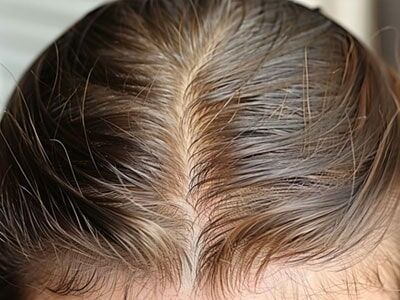
When considering hair fall treatment in Singapore, it helps to separate scalp discomfort from the possible causes of shedding. Sweat, oil and product residue can leave roots feeling greasy in humid weather, but an oily scalp does not by itself establish why hair is falling. Understanding both concerns supports more appropriate daily care and a more useful professional assessment.
Understand What Humidity Can and Cannot Explain
Sebum is the scalp’s natural oil, while sweat and styling products can add to the feeling of build-up. In warm, humid conditions, roots may feel greasy, or hair may sit flat. That change in appearance is not evidence that humidity has caused permanent hair loss.
Oiliness, flaking and shedding may occur together, but they need to be considered separately. Persistent irritation can make scalp care uncomfortable, while hereditary patterns, health conditions or other factors may contribute to thinning. A scalp analysis is a starting point for understanding visible conditions, not a replacement for assessment of a suspected health problem.
Notice Changes That Deserve Attention
Greasy roots soon after washing, recurrent itchiness, flakes or an unusual odour are useful concerns to raise. Keep track of when symptoms occur and whether they started after a new product or a change in routine.
More strands in the shower or on a brush can be upsetting, but the amount you notice also depends on washing and styling habits. A widening parting, a new patch or a sustained change is more informative than comparing isolated wash days.
Build a Practical Daily Routine
Clean According to Your Scalp and Hair Type.
Choose a cleanser that suits the scalp’s condition and follow its instructions. oily scalp treatment singapore The American Academy of Dermatology notes that people with straight hair and an oily scalp may want to shampoo daily. Other hair types may need a different frequency, so avoiding daily washing is not a universal rule.
Use your fingertips gently rather than scratching with your nails. Rinse thoroughly and keep heavier conditioners mainly on the hair lengths where appropriate. If flaking persists, seek advice about a suitable dandruff-care approach rather than repeatedly adding stronger cleansing products.
Dry and Style Without Unnecessary Strain
Blot hair gently and dry the scalp comfortably without prolonged high heat. Avoid fastening damp hair tightly or repeatedly pulling at the roots. Clean frequently used brushes, and avoid sharing personal hair-care items.
If a product causes burning or worsening irritation, stop using it and seek appropriate advice. More intense cleansing is not necessarily more effective.
Avoid Common Oily-Scalp Mistakes
Harsh scrubbing, very hot water and repeated use of unsuitable products can irritate the scalp. The aim is to remove unwanted residue without making the skin sore. There is no need to chase a completely oil-free scalp, since sebum has a normal protective role.
Heavy products applied directly to the roots may make hair feel coated. Review how much you use and where it is applied. Dry shampoo may help appearance temporarily, but it does not replace washing the scalp and hair.
What Professional Scalp Care May Involve
In-Depth Analysis
TrichoKare’s diagnosis-first positioning begins with understanding the hair and scalp concern. Its Tricho-Scan and Tricho-Analysis technology supports the assessment discussed with a certified trichologist. Share your symptom history and previous product reactions so the proposed care is appropriate.
European Herbal Treatments
The second part of the three-step Trichology Process uses European herbal formulations as part of a personalised care approach. Cleansing and topical care may support scalp comfort, but outcomes vary. Botanical ingredients should still be assessed for suitability and sensitivity.
Expert Trichologist Advice
The third step is guidance on maintaining the routine at home and reviewing changes over time. Ask what improvement is being assessed, when to review it and when a different form of advice is needed. A trichology programme should not promise to reverse every type of hair loss.
Know When Further Assessment Is Important
Sudden or patchy hair loss, persistent pain, pronounced inflammation, broken skin or discharge needs prompt assessment by a dermatologist. Do not delay that assessment while trying successive scalp-care packages. A trichologist can discuss scalp care, but some causes of shedding require expertise beyond that service.
Start With Clarity, Not a Stronger Shampoo
An oily scalp treatment in Singapore should be chosen around the scalp’s condition, not a fear that grease automatically means baldness. Begin with gentle daily habits and an informed analysis. Book an appointment with TrichoKare to discuss the three-step Trichology Process and a suitable scalp-care plan.
 SEO
 admin