
Why comparing designer ceiling fans with lights matters
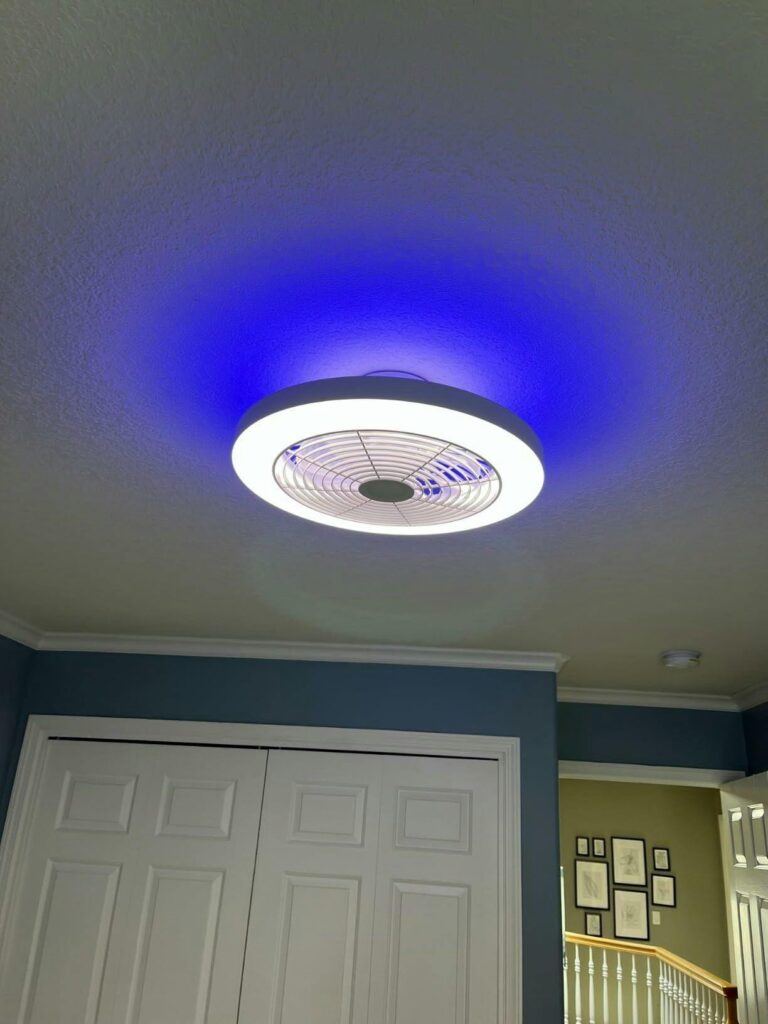
Choosing a ceiling fan with integrated lighting is a design and performance decision. The right fan affects perceived temperature, light quality, and resale value. For a quick example—consider replacing a noisy, inefficient unit in a city apartment with a modern model such as the bladeless ceiling fan with lights—you can improve airflow and reduce ambient noise while adding dimmable ambient lighting. That combo often delivers a more comfortable room and better staging for buyers or renters.
Key dimensions to compare
Make comparisons against three practical axes: thermal comfort, lighting performance, and installation compatibility. Thermal comfort is driven by airflow (measured in CFM) and motor efficiency. Lighting performance looks at lumens, color temperature, and whether the fixture uses a dimmable driver. Installation compatibility covers canopy size, ceiling height, and whether the model supports retrofit mounting for existing electrical boxes. Evaluating these objectively avoids being swayed only by aesthetics.
How bladeless and chandelier-style options change the trade-offs
Bladeless designs and chandelier-style ceiling fans reframe common trade-offs: you often get quieter operation and a sleeker look, but you should check airflow specs—some visually light fixtures produce lower CFM. Conversely, traditional blade fans usually move more air for the same motor size. If you prefer a hybrid that reads as a light fixture, the bladeless ceiling fan chandelier option is worth comparing for noise level and integrated smart controls (voice, schedules, or app). Think in terms of measurable outputs—CFM for airflow, lumens for brightness, and watts for energy use—rather than just looks.
Real-world anchor: a small-apartment test
I swapped a dated paddle-fan in a two-bedroom San Francisco flat for a compact designer fan with integrated LEDs. The room felt about 3–5°F cooler at the same thermostat setting when the fan ran—consistent with common HVAC guidance that fans increase perceived cooling by a few degrees—so the heat pump cycled less often. The integrated dimmable LEDs allowed one fixture to replace two lamps, which simplified wiring and improved staging for resale. This hands-on case highlights how a single product can change both comfort and perceived value.
Common mistakes to avoid
Brands and homeowners often skip three checks: mismatched ceiling height, overlooking lumens vs. perceived brightness, and ignoring motor torque at low speeds. A fan that looks right at eye level can block clearances on sloped ceilings. Lumens tell you output, but color temperature and beam spread determine how a room reads. And low-speed stall—when a motor lacks torque at slow RPM—means you won’t get the gentle airflow you expect. Test samples under real conditions when possible—don’t rely only on staged photos.
Alternatives and when to choose them
If pure airflow is the priority (large open-plan rooms), pick a high-CFM multi-blade fan with a proven motor. For compact urban spaces prioritizing quiet and design, bladeless or chandelier styles pair well with recessed supplemental lighting. For retrofit projects, look for models explicitly labeled for retrofit canopy kits. Each alternative addresses specific constraints: cooling load, ceiling type, acoustic budget, and aesthetic goals.
Advisory: three golden rules for selecting the right ceiling fan with lights
1) Prioritize measurable performance: require published CFM, motor efficiency, and lumen output from vendors. 2) Match form to function: choose designs that meet your ceiling height, clearance, and mounting type before falling for a look. 3) Validate integration: confirm dimmable driver compatibility with your switches and smart-home setup (if you plan to use schedules or voice control).
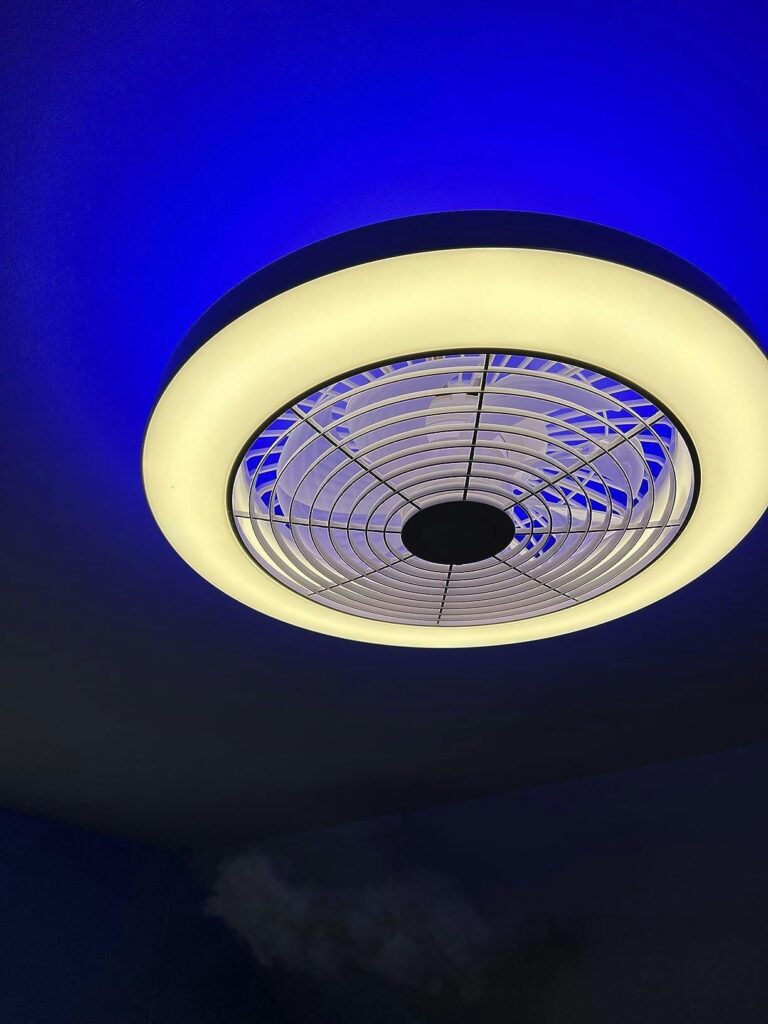
These rules narrow choices fast and point you toward models that genuinely improve comfort and perceived value—often the same models that simplify installation and lower operating costs. For a clean, quiet blend of airflow and lighting with smart controls, Orison. —